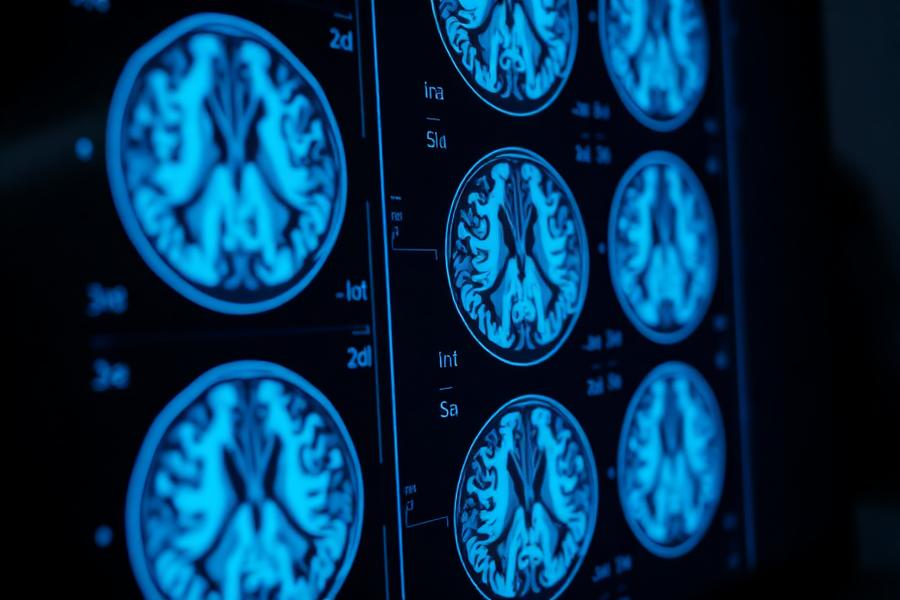
Forensic Neuroradiology
Independent imaging review
CT, MRI, DTI, functional MRI, PET, SPECT, MR perfusion and spectroscopy, plus volumetric analysis with NeuroQuant and icometrix.
- Every study is re-read from source DICOM data rather than summarized from prior reports, so findings are traceable to the images themselves.
- Advanced sequences are used where they add evidentiary value: DTI for white-matter integrity, perfusion and spectroscopy for physiologic change, volumetric analysis for regional atrophy.
- Deliverables include an annotated report, key-image exhibits and, when needed, courtroom-ready demonstratives.
Forensic Neurology
Clinical causation, examined
Board-certified neurologists assess mechanism, causation and prognosis in traumatic brain and spine injury claims.
- Record review reconciles mechanism of injury, acute presentation, treatment course and current deficits.
- Opinions address causation, apportionment of pre-existing disease, future care needs and prognosis.
- Subspecialty coverage includes epilepsy, neurophysiology, stroke and post-concussive syndromes.
Forensic Musculoskeletal Radiology
Acute injury or degeneration, resolved
Board-certified musculoskeletal radiologists review spine, joint and soft-tissue imaging to separate acute traumatic change from pre-existing degenerative disease.
- MRI, CT and X-ray are read against the claimed mechanism of injury, so findings either support or undercut the injury narrative.
- Chronicity dating addresses whether a finding is acute, chronic, repetitive or degenerative — the question at the center of most injury claims.
- Where spinal imaging overlaps neuroradiology, in-house sub-specialists review the same study for a coordinated radiological opinion.
Forensic Psychology
Cognitive and behavioral findings
Standardized neuropsychological testing and validity assessment that connects imaging findings to real-world function.
- Comprehensive batteries measure attention, memory, executive function, processing speed and mood.
- Embedded and stand-alone validity measures address effort and symptom exaggeration directly.
- Findings are correlated with imaging and clinical history to explain functional impact in plain language.
Forensic Emergency Medicine
Acute care standard of care
Emergency medicine review of triage, workup, diagnosis and disposition decisions in the acute setting.
- Timelines are reconstructed from ED records, nursing notes, imaging times and transfer documentation.
- Opinions address standard of care, missed or delayed diagnosis and causation of downstream harm.
- Applicable to trauma, stroke, spinal cord injury and altered mental status presentations.
Hospital Administration & EMTALA
Compliance and systems review
Hospital administration and EMTALA compliance analysis covering screening, stabilization, transfer and on-call obligations.
- Policy, bylaw and on-call schedule review against federal EMTALA screening and stabilization duties.
- Assessment of transfer documentation, capability determinations and central log practices.
- Guidance for both plaintiff and defense counsel on institutional versus individual responsibility.
Clinical Research Support
Imaging endpoints and study design
Central imaging review, protocol design and endpoint adjudication for academic and industry research programs.
- Protocol and acquisition guidance to keep imaging endpoints consistent across sites.
- Blinded central reads with documented adjudication procedures.
- Support for publications, grant applications and regulatory submissions.